Peripheral Arterial Disease (PAD): Understanding Symptoms, Causes, and Treatments
Peripheral Arterial Disease (PAD) is a common circulatory condition that affects the arteries outside the heart and brain, usually narrowing or blocking the arteries that supply blood to the limbs. This condition can lead to serious health complications if left untreated. Understanding the symptoms, causes, and available treatments for PAD is crucial for managing the condition and improving quality of life.
Symptoms of Peripheral Arterial Disease
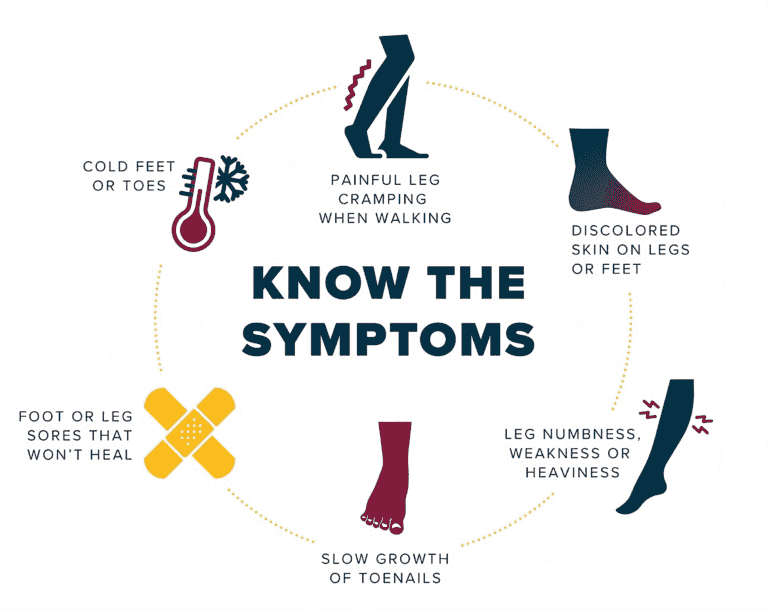
The symptoms of PAD often develop gradually and may include:
- Leg pain or cramping, especially during physical activity (intermittent claudication)
- Numbness or weakness in the legs
- Coldness in the lower leg or foot, especially when compared with the other side
- Sores on the legs, feet, or toes that heal slowly or not at all
- Change in the color of the legs
Causes of Peripheral Arterial Disease
The primary cause of PAD is atherosclerosis, a condition characterized by the buildup of fatty deposits (plaques) in the arteries. These plaques can narrow or block the arteries, reducing blood flow to the limbs. Several risk factors can contribute to the development of PAD, including:
- Smoking
- Diabetes
- High blood pressure
- High cholesterol
- Age (over 50)
- Family history of PAD, heart disease, or stroke
- Obesity
Treatments for Peripheral Arterial Disease
There are several treatment options available for PAD, including lifestyle changes, medication, and in severe cases, surgery. Treatment goals focus on reducing symptoms, improving quality of life, and preventing complications such as heart attack, stroke, and limb amputation. Common treatments for PAD include:
- Lifestyle changes: Quitting smoking, exercising regularly, and eating a healthy diet can help improve symptoms and slow the progression of PAD.
- Medication: Your doctor may prescribe medication to lower cholesterol, control blood pressure, or improve blood flow.
- Angioplasty and stenting: In this minimally invasive procedure, a balloon is used to open the blocked artery, and a stent is placed to keep it open.
- Bypass surgery: In more severe cases, bypass surgery may be necessary to reroute blood flow around the blocked artery.
Conclusion
Peripheral Arterial Disease is a serious condition that requires prompt diagnosis and treatment. By understanding the symptoms, causes, and available treatments for PAD, individuals can take proactive steps to manage the condition and improve their quality of life. If you or a loved one experience symptoms of PAD, it's essential to consult a healthcare professional for proper evaluation and treatment.